About us
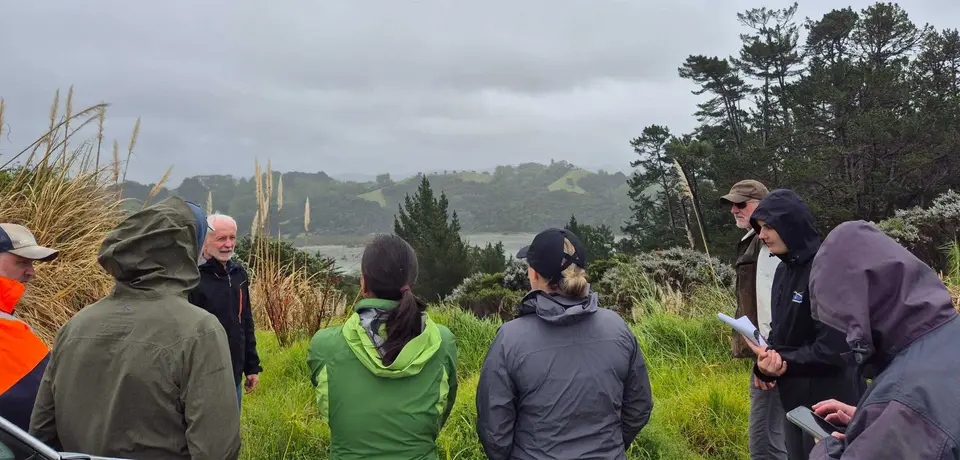
Neighbours looking after the bush.
About 200 properties and over 150 volunteers across Mahurangi West and Hungry Creek, working towards healthy native bush and thriving native wildlife.
Our story
From 2,100 to 3,500 hectares.
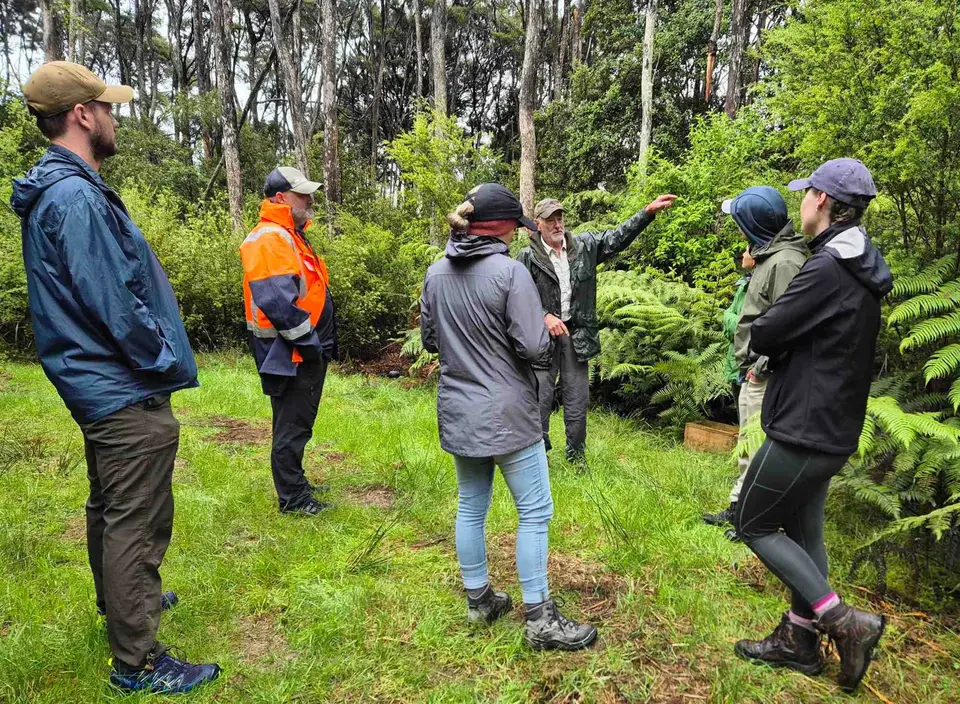
Our volunteers bring a wide mix of backgrounds and experience to one job: controlling plant and animal pests through a long-term, sustainable programme.
An Auckland Council grant pays for a part-time community coordinator.
Read our annual reports- 2019
Mahurangi West Pest forms to plan pest control in line with Pest Free Auckland 2050, covering about 2,100 hectares.
- 2020
The first bird counters are trained, setting a benchmark for the birdlife.
- 2022
Bird counts move onto Trap.NZ. Our first annual report. The Buffer Zone programme starts.
- 2024
A Foundation North grant helps fund a part-time trapper and new technology.
- 2026
Some 3,500 hectares under control, a renewed council-funded coordinator role and a three-year partnership with Auckland Council.
Our team
The people behind the project.
Leadership and support for restoration, pest control, fundraising, communications and community engagement.
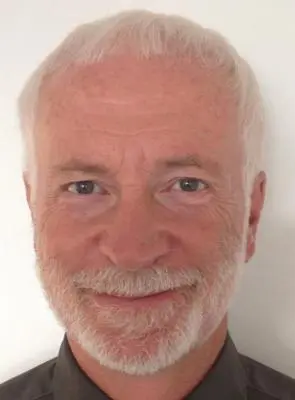
Brian Bramell
Chairperson
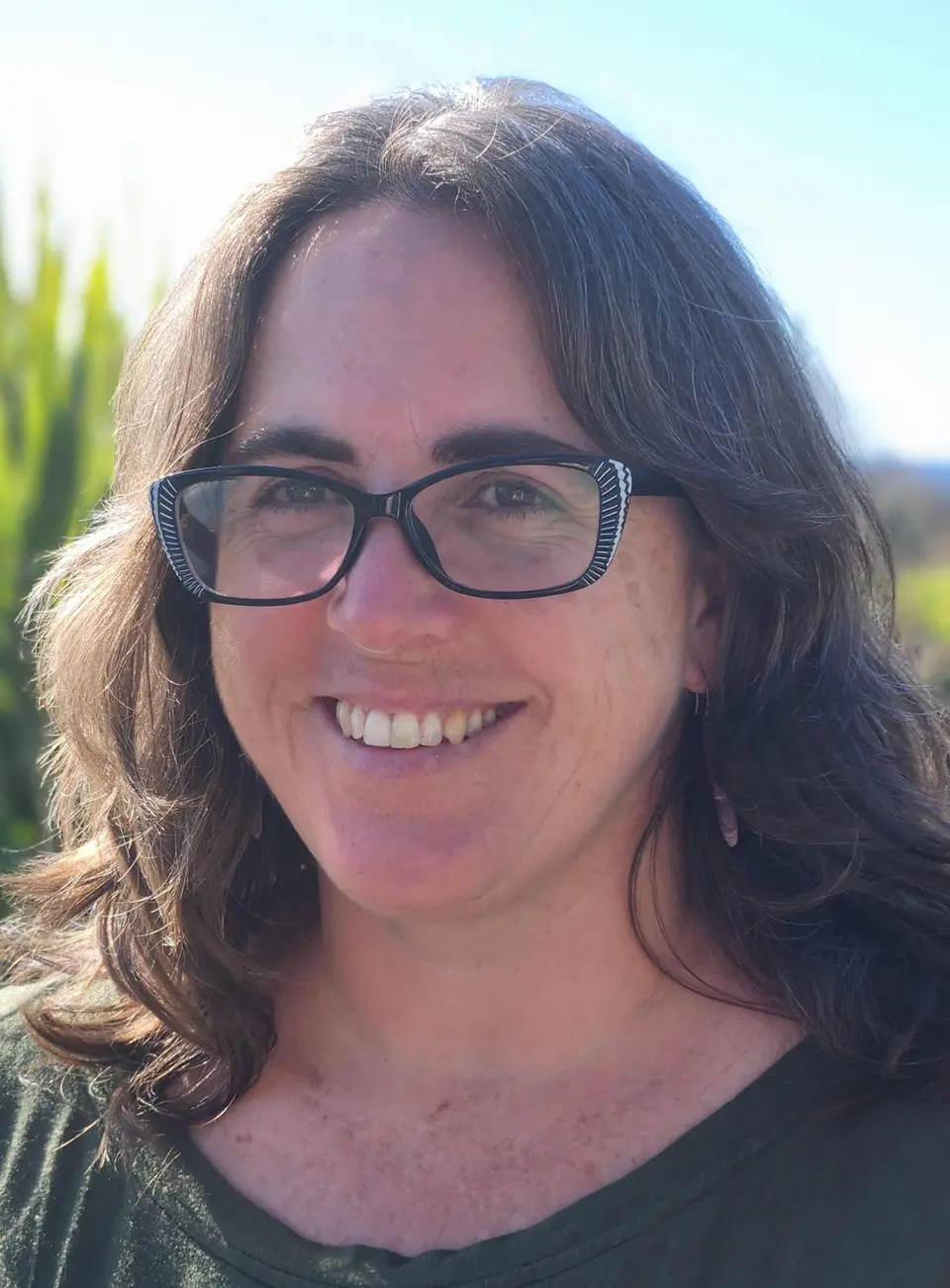
Rachel
Chief Operating Officer
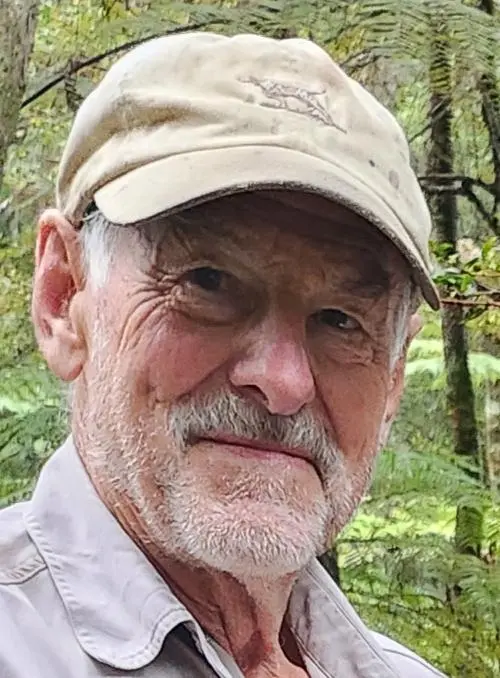
Mike Neil
Pest Control
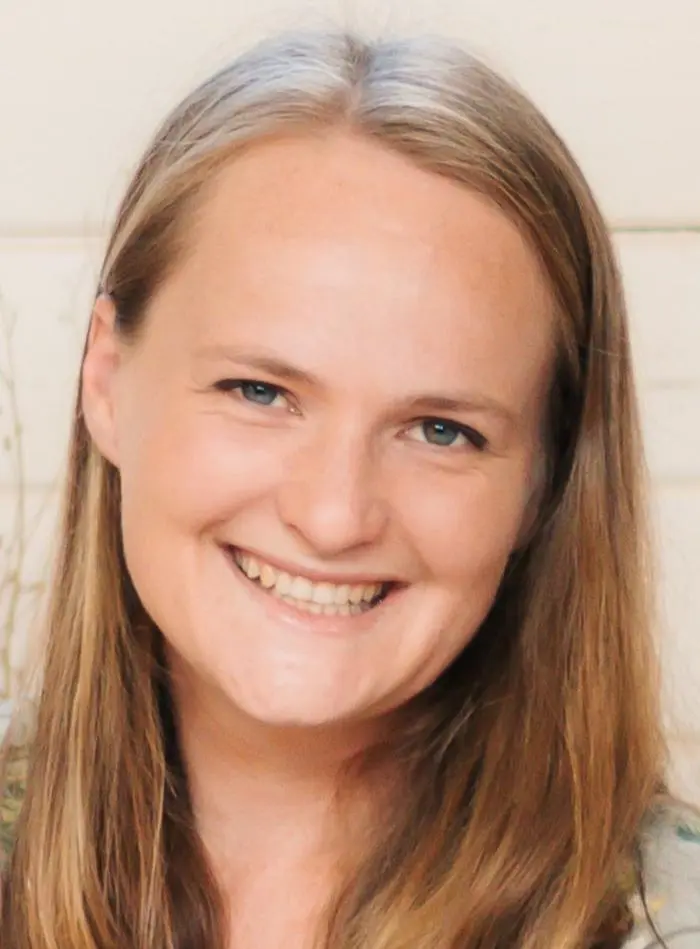
Joanna Gullett
Community Coordinator and Facilitator
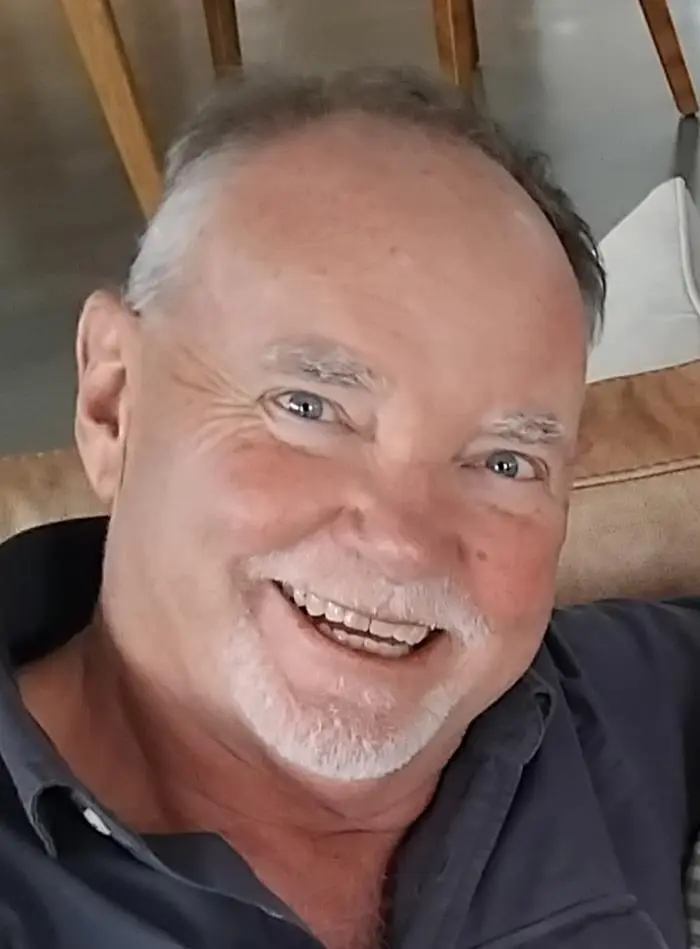
Hugh Kininmonth
Treasurer
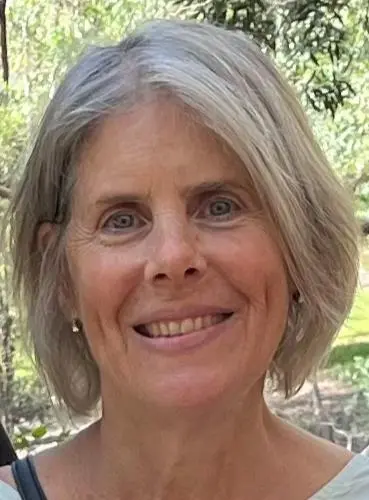
Beth Harper
Fundraising
Maxine Finlay
Pest Plant Buffer Project Coordinator
Robyn Mackenzie
Planting Coordinator
Mel Whaanga
Iwi Advisor
Iwi and whānau
Longstanding connections to this whenua.
Ngāti Maraeariki ki Mahurangi have ancestral ties to the area, including the pā sites of Maki and Korotangi. Members have been involved in planning and running the project since its early days, helping set some of the first trap lines.
The Morehu whānau own land on Jamieson Bay Road. In 2021 a grant application to the Rodney Healthy Harbours programme, made with the community, supported pine removal, restoration and native planting on this Māori land. The Roberts whānau own land at Opahi Bay, where the community set up one of the early trap lines.
Mel Whaanga has shared the Ngāti Maraeariki ki Mahurangi community Facebook page, with historical photos of settlement at Opahi Bay and Sullivans Bay (formerly Otarawao).
Ngāti Maraeariki on Facebook