Find, research and protect native bat
published 9 February 2022
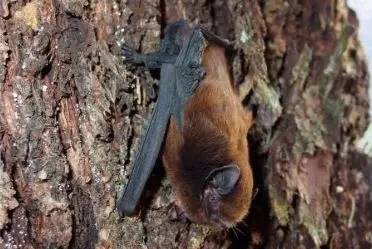
Mahu West Pest was recently successful in obtaining a $5,000 grant from Auckland Council Environmental Services for research into the long-tailed bat or pekapeka-tou-roa.
Bird of the Year
A few feathers were ruffled last year when the pekapeka-tou-roa was voted New Zealand’s Bird of the Year! Peter Wills, Campaign Manager for the bat entry, says it was a matter of supporting the ‘underbird’, which has a status of ‘nationally threatened’ in conservation and received a bad rap from the Covid-19 pandemic.
Nationally, the awareness of the bats had been lifted, and Mahu West Pest saw an opportunity for bats which may call our community ‘home’.
Funding to help our local efforts
Nada Cottrell, Mahu West Pest Funding Coordinator, says the team decided to apply for the funding grant and was successful in receiving $5,000 towards work to find and protect bats on the Mahurangi West peninsula.
She says their first objective, with the support of volunteers and the use of acoustic listening devices, is to be able to identify any bats that might be in the area.
“If found, we’ll then work to provide awareness for the community and training for volunteers in best practice to support our local bats.”
Long-term, Nada says, Mahu West Pest would like to help establish and maintain a viable long-tailed bat population on the peninsula.
Local volunteers and landowners
Mahu West Pest are now looking for local volunteers who would like to learn more about assisting with bat research in Mahurangi West, such as learning about acoustic listening devices for bats, and/or supporting bat habitats.
We also would like to hear from land-owners who are willing for on-the-ground research to take place on their land.
If you are interested, please contact: nada.mahuwestpest@gmail.com
How to help the batInformation from Auckland Environmental Services suggest land owners can do the following to support our native bats:
- Retain standing dead trees and old-age trees with cavities. Bats breed in cavities in old-aged trees, moving to a new roost tree regularly, returning later to reuse it. Social groups may use over 100 different roosting trees. If felling a woodlot, check trees for cavities first.
- Protect cabbage trees and other lone native trees on farmland as important roosts. Replant natives to shelter and ensure their long term survival.
- Protect old-age willow and mature natives around ponds where bats feed, e.g. aquatic insects over water. Overhanging trees around ponds help bats feed in poor weather.
- Reduce the use of pesticides negatively impacting bats.
Bat Fact
A Long-tailed Bat (pekapeka-tou-roa) weighs about the same as New Zealand’s $2 coin.